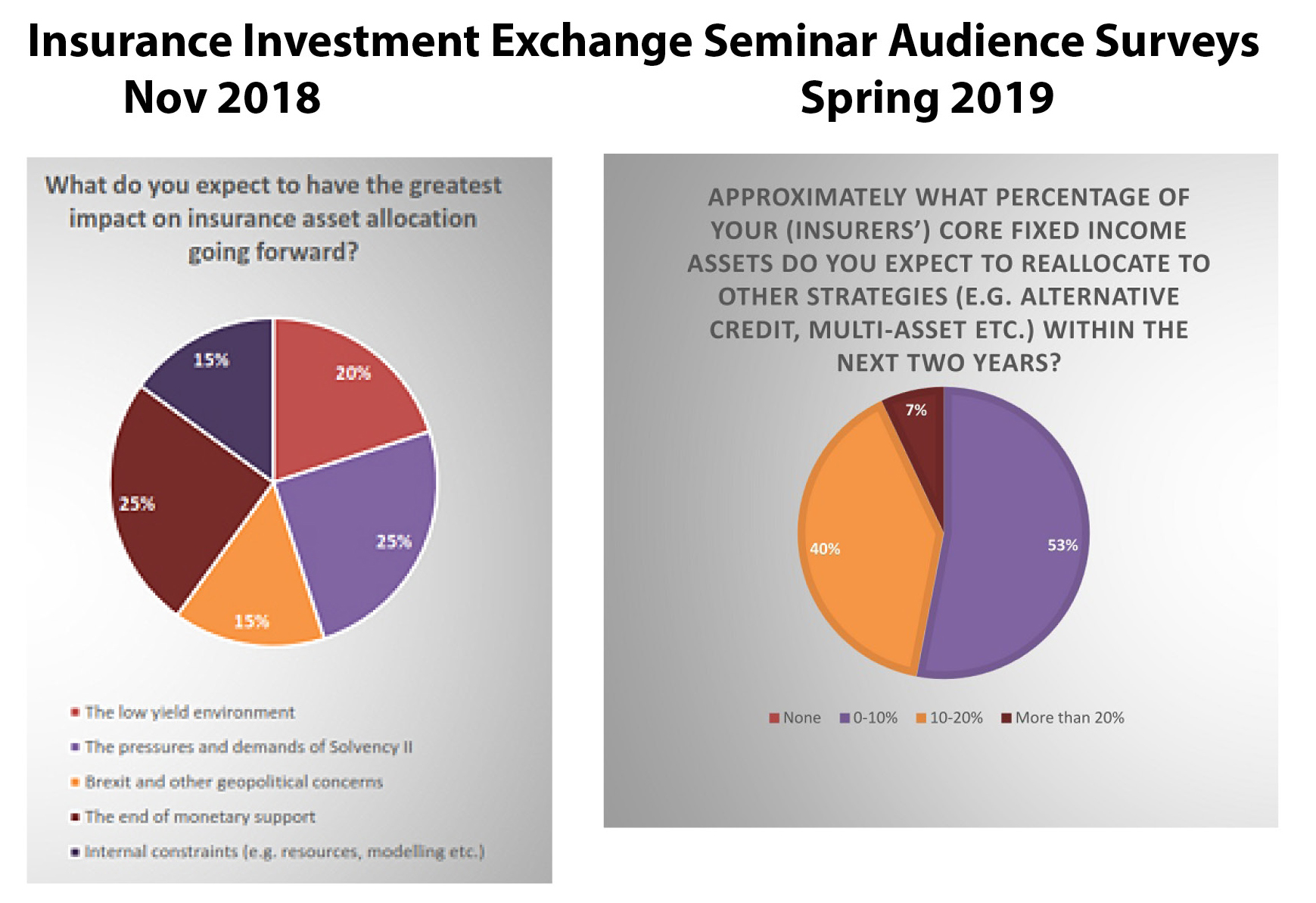

Just a few years ago surveys of insurance company chief investment officers at Insurance Investment Exchange events threw up some consistent common themes and concerns, among them depression over low yields on fixed income assets and a fear of growing volatility.
How times change, writes Contributing Editor David Worsfold.
Their hopes for bond yields to lift off their post-Global Financial Crisis floor might have been realised but only at the price of living with a degree of market volatility that few have experienced and, frankly, none predicted. The upward trend of bond yields would have almost been greeted with incredulity in the middle of the last decade.
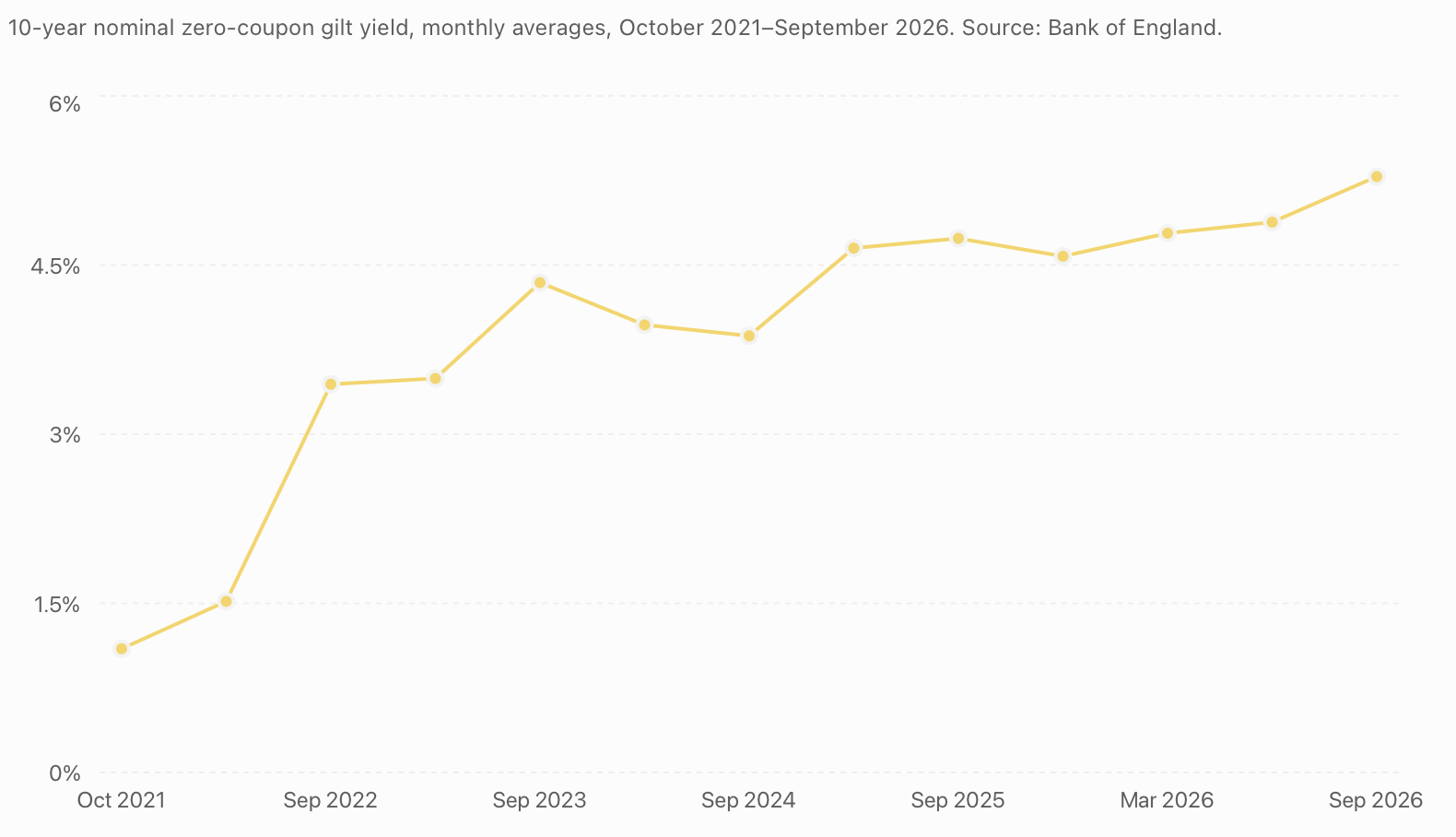
The graph shows UK bond yields but the picture is the same wherever you look in the bond market. More than 80% of global bonds now yield above 4%, versus 6.3% five years ago.
We all know there are intense pressures on financial markets that were unforeseen, especially in the combination we are now witnessing. Inflation in most developed countries is pointing upwards, government debt is at records levels, geo-political crises have hit energy markets hard and the AI boom is a voracious consumer of capital.
For institutional investors, the challenge has been learning to ride this volatility. Bonds, of course, remain an indispensable part of portfolios but within that imperative there are nuances around selection, hedging exposures and duration risk.
This has been underlined in the last week with the fresh concerns around the sustainability of French government debt, highlighted in an investment update from Blackrock:
“France shows why selectivity matters across fixed income though. Its 10-year yield has jumped about 100 basis points since early August to nearly 5%, reflecting the broader rate reset. Yet the widening spread over German Bunds shows investors are also demanding additional compensation for France's fiscal and political risks. This underscores why investors need to distinguish between the forces driving yields higher.”
Any country-by-country selectively is perhaps being masked by the general shift towards sovereign debt. Research by JP Morgan found that European insurers have been increasing their exposure to sovereign debt with portfolios shifting from an approximately even split between government and corporate bonds towards a 60:40 weighting in favour of government securities.
However, the Global Insurance Investments Survey from Mercer and Marsh found that 57% of insurers intended to increase private credit allocations over the next year, compared with 48% planning increases in public investment-grade fixed income assets.
This all suggests that previous assumptions about the safety and resilience of sovereign debt have been shaken by events and that more active management is now the order of the day.
A survey of North American institutional investors by Schroders highlighted this new mentality. It found that 79% expected greater market volatility over the coming year, while 82% believed more pro-active management would be necessary to achieve their investment ambitions.
This is not just a European or North American challenge. Elsewhere, insurers are also playing the selectivity card.
Japanese life insurers are signalling they will maintain or increase purchases of domestic bonds, a trend that has been noticeable throughout 2026. Insurers have been net buyers of superlong Japanese Government Bonds for the past four months, according to Japan Securities Dealers Association data, all good news for the Japanese government that is expected to launch a series of debt auctions during the autumn.
The conclusion of all this research is that Insurers and other major institutional investors are finding their feet in this very changed world. Just how changed is demonstrated by the sentiment surveys of our audiences before Covid-19 and then the Russian invasion of Ukraine started to reshape our world.